

Chapter 01
Why Material Matters in Bathroom Hardware
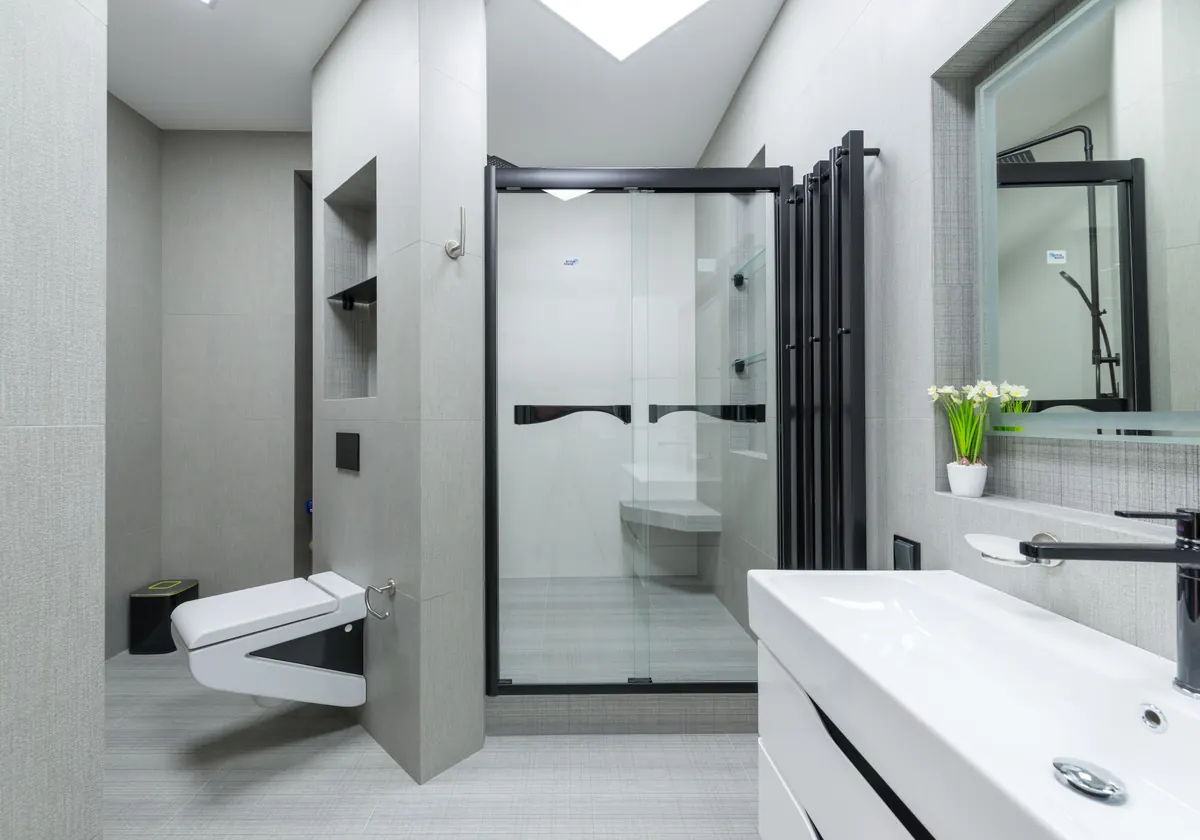
Bathroom hardware lives in a wet, humid environment and is touched, cleaned, and exposed to water, soap, and cleaning chemicals every day. Material is what decides how well a product survives that environment over time.
When you compare materials, the decision comes down to a few practical factors:
- Corrosion resistance — how well it resists rust, water spots, pitting, and humidity
- Strength and weight — how solid it feels and how it handles load, such as a grab bar
- Workability — how easily it can be cast, machined, or formed into shape
- Finish compatibility — how well the surface holds plated or brushed finishes
- Cost — the unit price impact, which drives material choice in volume orders
There is no single "best" material for every product. The right choice depends on the product type, installation environment, target finish, expected lifespan, and budget.
Chapter 02
Brass (Copper–Zinc Alloy)
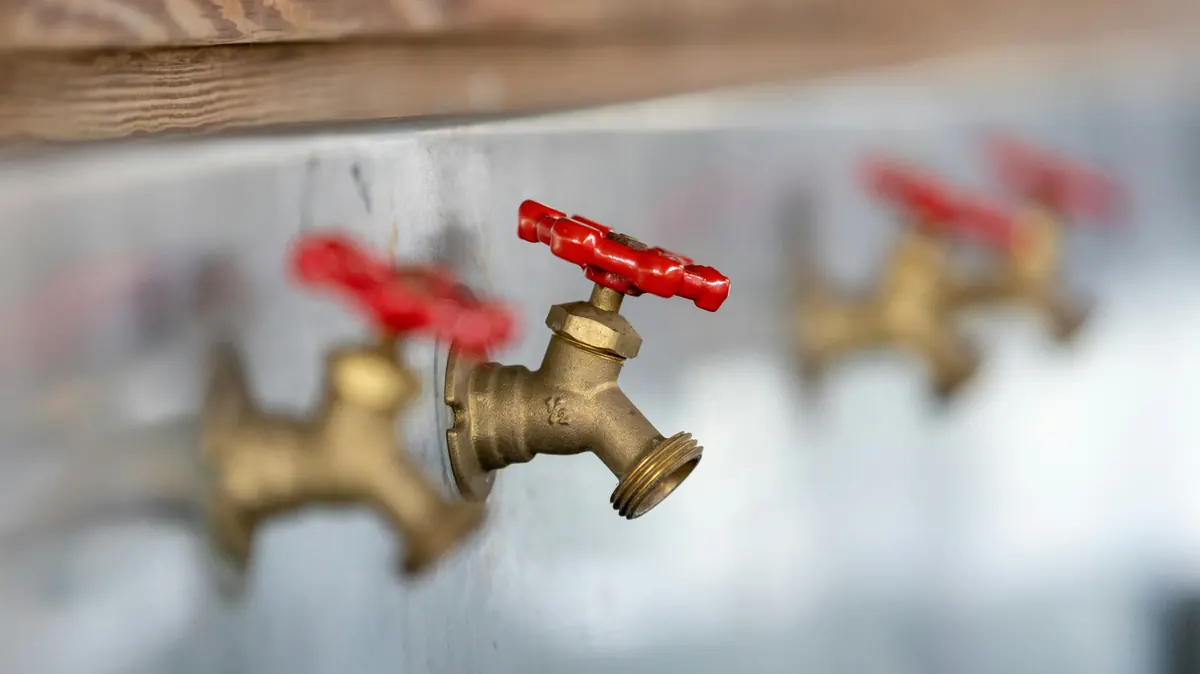
Brass is an alloy of copper and zinc. It is a traditional choice for parts that hold water under pressure. It machines well, seals reliably, and has good corrosion resistance. It is used for faucet bodies, valve bodies, angle valves, mixer cores, and other pressurized water parts.
Strengths: good corrosion resistance and a solid feel. Brass is easy to machine and thread, and it holds plated finishes well. Consider: brass costs more than zinc alloy, and quality varies. Water-contact parts may also face lead-content or dezincification requirements, depending on the destination market.
Chapter 03
Zinc Alloy (Die-Cast Zamak)
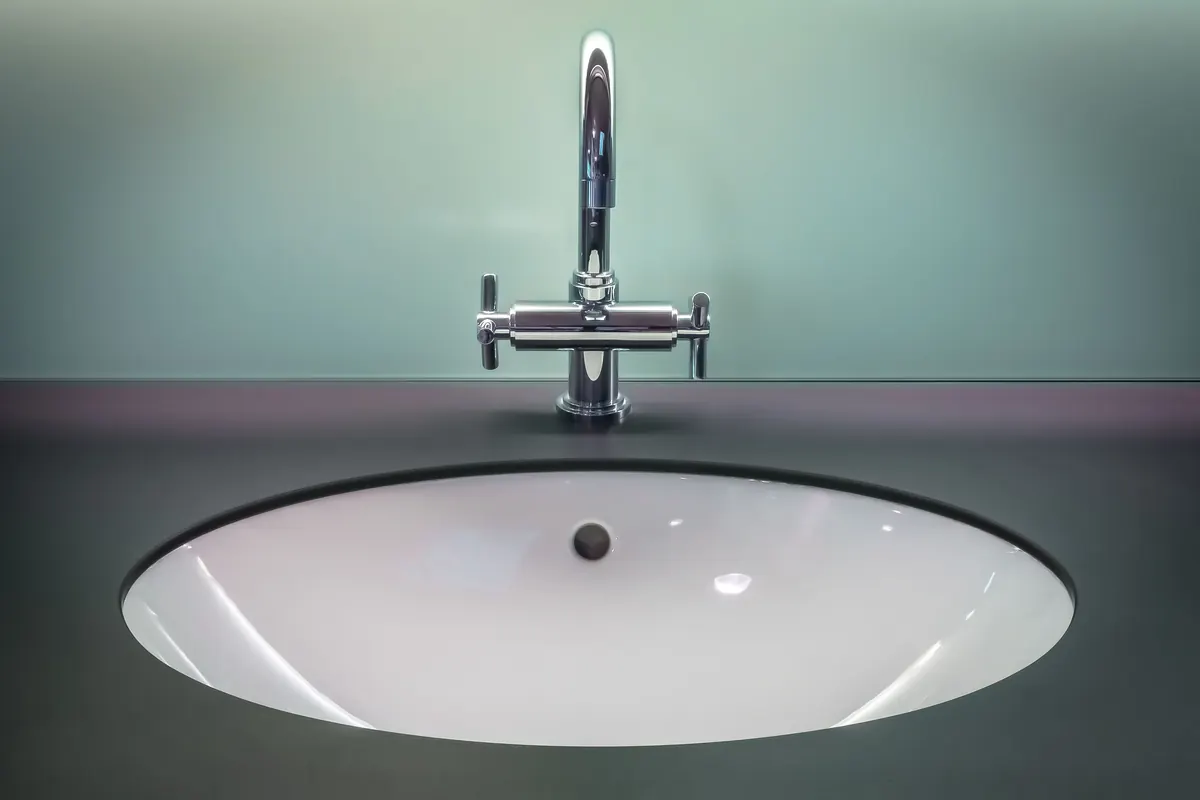
Zinc alloy, also called zamak, is a die-casting material. It melts at a low temperature and fills detailed molds easily. This supports complex decorative shapes at lower cost. It is used for faucet handles, decorative trims, accessory bases, shower holders, and shaped non-pressurized parts.
Strengths: low cost and easy casting into complex shapes. Zinc alloy provides a good plating surface and a heavier feel than plastic. Consider: it has lower corrosion resistance than brass or stainless steel. Finish quality and plating thickness therefore matter more in wet or coastal conditions.
Chapter 04
316 Stainless Steel
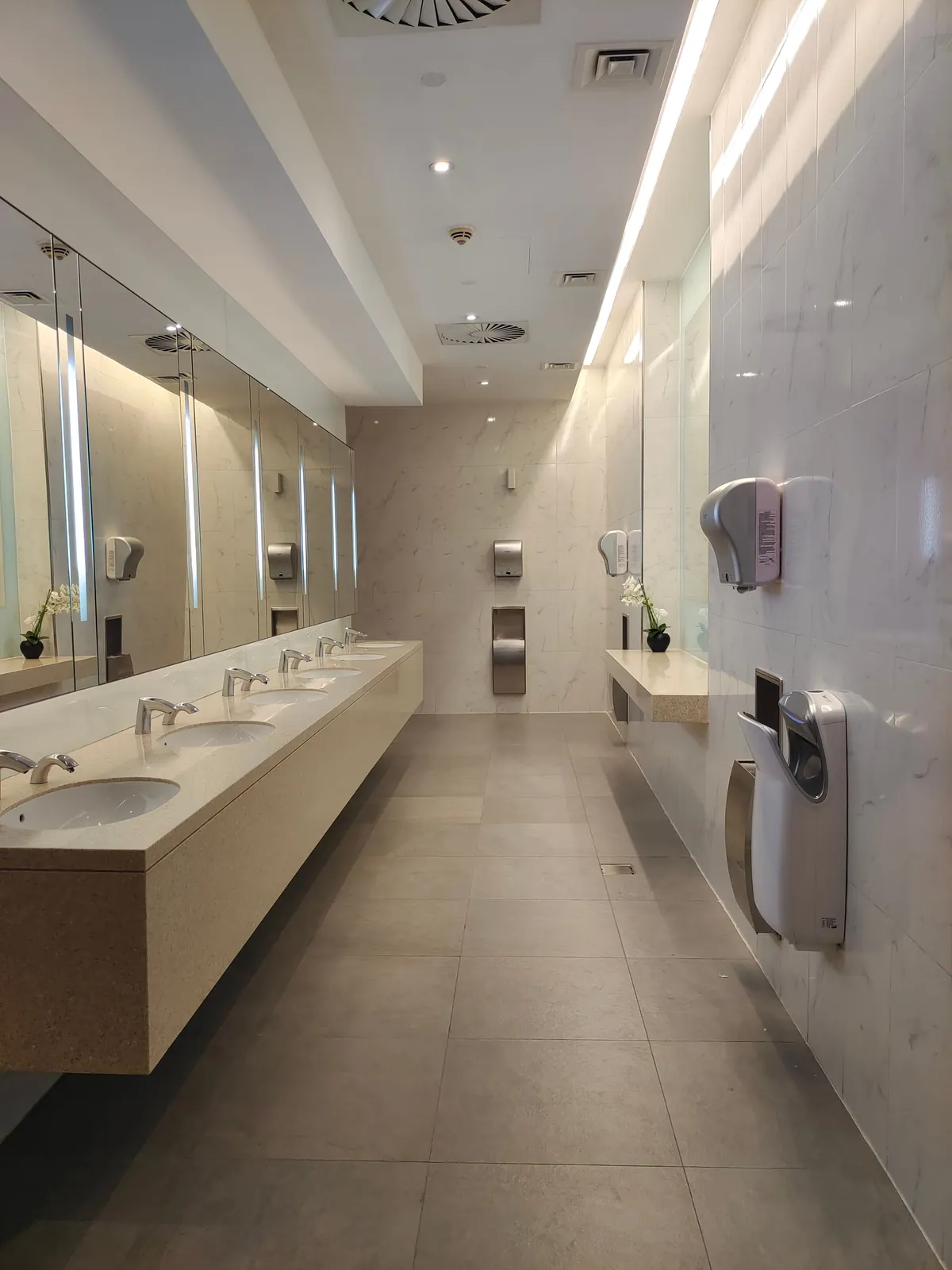
316 is a higher-grade stainless steel that adds molybdenum to the alloy. This improves resistance to chlorides and salt, which is why it is associated with marine, coastal, and demanding environments. It is specified for coastal, high-humidity, swimming pool, or heavy-duty public environments where extra corrosion resistance is required.
Strengths: the highest corrosion resistance of these three stainless grades. It strongly resists pitting from salt and chlorides. Consider: it has the highest cost of the common stainless grades. Buyers specify it when the environment or specification clearly requires it. Confirm supply by product.
Chapter 05
304 Stainless Steel
304 is the most widely used stainless steel grade in bathroom hardware. It offers a strong balance of corrosion resistance, strength, and cost, and it holds brushed and polished finishes well. It is used for towel bars, hooks, paper holders, shelves, shower components, grab bars, dispensers, and many accessory and commercial products.
Strengths: good everyday corrosion resistance, durability, and a clean look in brushed or polished finishes — reliable for indoor bathroom use. Consider: it is less resistant to salt and chlorides than 316, so it is not the first choice for severe coastal exposure.
Chapter 06
201 Stainless Steel
201 is a lower-cost stainless steel grade. It uses less nickel and more manganese than 304, which reduces material cost but also reduces corrosion resistance. It is used for budget-sensitive accessories and visible parts where cost is a priority and the environment is mild and dry.
Strengths: lower cost than 304 and a similar appearance when new. It performs acceptably in many dry indoor applications. Consider: its lower corrosion resistance increases the risk of spots or surface rust. Match the grade to the environment and expected lifespan, especially in humid or coastal conditions.
Not sure which grade or material fits your project?
Send your product list, photos, target finish, and destination country. We will review the material structure by product and recommend a suitable grade before quotation.
Chapter 07
316 vs 304 vs 201 at a Glance
The three stainless grades look similar when new but perform differently over time. The main difference is corrosion resistance, which tracks with cost.
| Criterion | 316 | 304 | 201 |
|---|---|---|---|
| Corrosion resistance | Highest — resists salt & chlorides | Good — handles normal humidity | Lower — best kept dry |
| Relative cost | Highest | Medium | Lowest |
| Best-fit environment | Coastal, pool, heavy-duty public | Standard indoor bathrooms | Dry, budget-sensitive indoor |
| Key trade-off | Pay more only where salt or chlorides demand it | The balanced default for most projects | Save cost, accept lower durability |
Material grades can look alike. Confirm the grade in the specification, not by sight.

Chapter 08
How to Choose the Right Material
Material choice is a balance between environment, product type, target finish, expected lifespan, and budget. As general guidance:
- Match to the environment: coastal, humid, or pool projects favor 316; standard indoor bathrooms favor 304 or brass; dry, budget-driven indoor use accepts 201
- Match to the product: pressurized water parts are often brass. Shaped decorative parts are often zinc alloy. Bars, hooks, shelves, and grab bars are often stainless steel.
- Consider use intensity: public and commercial washrooms justify a higher grade than a low-traffic residential bathroom
- Balance with budget: in volume orders, a small per-unit difference adds up — aim to meet the requirement without overspecifying
The final material for each product should be confirmed before quotation.

Chapter 09
Material and Finish Work Together
Material is only part of the picture. The surface finish protects the base material and defines the final look. Options include chrome, brushed nickel, matte black, brushed gold, metal grey, and polished or brushed stainless steel.
A good result matches the finish to the base material. Plated finishes on brass or zinc alloy have specific adhesion and durability needs. Brushed or polished finishes on stainless steel have different needs. For mixed-category orders, list both the material direction and target finish. This avoids mismatches between items designed as a coordinated set.
Chapter 10
How VeriBath Confirms Material by Product and Order
Different bathroom hardware products use different materials. VeriBath therefore confirms material by product and order instead of applying one grade to everything. We review the body, handle, and key parts of each listed product. The quotation then reflects the actual material, not an assumption.
For projects in coastal, humid, public, or high-traffic conditions, we discuss whether a higher corrosion-resistance grade is appropriate. Where a market requires material testing, certificate and test-report scope is confirmed by product, model, and destination — not generalized across the range. If a product's material grade is important for your market or specification, contact us.